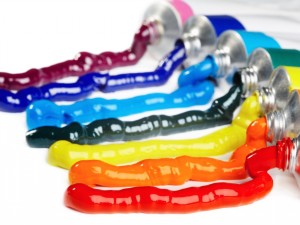
What are the dyes and dyeing process?

Direct dyes

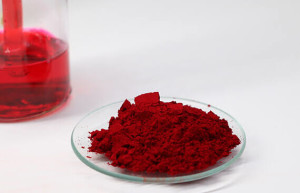
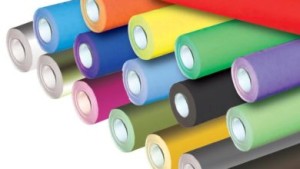
Color always attracts people in their everyday life. We see different colors in everything we have in our life such as the color of the vehicles, walls, clothes and the vegetables etc color rules everywhere. That is the reason we are experimenting with different colors. What’s more, what superior to fabrics that are an indistinguishable part of our lives, on a par with our second skin, something that we can take care of to introduce ourselves the way the world should look at us.

Continue reading What are the dyes and dyeing process?

Uniqueness of Azoic Dyeing

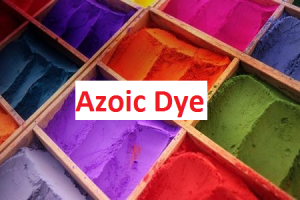
Azoic dye used in textile wet processing.

Cotton is the most popularly used fiber around the world largely due to its comfort and feel to the individual’s body. It is treated in its natural form or made anew through forms like modal, viscose or blended with synthetics. The dyes used for coloration of cotton fibre mainly constitute the reactive dyes and vat dyes though a small but vital share is held by Napthols /azoic bases. These are helpful in achieving vibrant and deep hues besides offering a large number of benefits like bleach/wash/light fastness, cost efficiencies etc.

Continue reading Uniqueness of Azoic Dyeing

Textile Dyes & their Impact on Environment

fabric-on-bolts-125714058-56a7b9a35f9b58b7d0ed404d

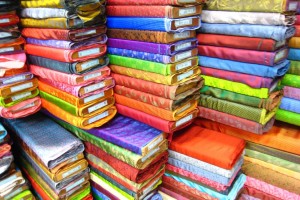
Vibrant, colorful textiles have indeed made our world a brighter place to live in. Most of us will be aware that the existence of these colorful textiles has been made possible through the usage of textile dyes. The dyes seep into the cloth changing it chemically and causing the color to remain there permanently in spite of continuous use.

Continue reading Textile Dyes & their Impact on Environment

What is Pigment Red 112 & it’s Role in Seed Coloration

images (1)

Color has always been an object of fascination for mankind largely for social reasons as well as visual appeal. If we go back in history it will be seen that dyes and pigments, the two colorant sources have been major items of commerce. Colorants are an indispensable item in almost all manufacturing processes today with a vast number of colorants proving their worth in varied applications.

Continue reading What is Pigment Red 112 & it’s Role in Seed Coloration

Direct Dye- Important Constituent of the Colorant Industry!

images

There are five main types of fibers in use that need colorants to provide a colorful clothing variety to the people around the world. And to fulfill this need for varied applications thousands of dyes and pigments have been manufactured so far. One may think that the number of dyes and pigments is just too excessive! But the use of colorants is not restricted solely to the five fiber types, it goes vastly further.

Continue reading Direct Dye- Important Constituent of the Colorant Industry!

Use of Dyes & Pigments in the Paper & Pulp Industry

Global-paper-dyes-Market4-390x220

One of the oldest applications of dyes and pigments is the paper and pulp industry. There are several grades and varieties of paper that undergo the dyeing process besides the regular writing paper. Some of them include copier papers, facial tissue paper, envelope grades, cover papers, corrugated cases and specialty papers.

Continue reading Use of Dyes & Pigments in the Paper & Pulp Industry

Automotive Coatings & Pigment Red 170

F2RK

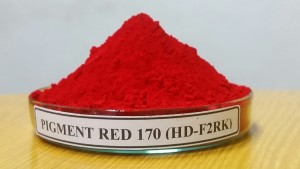
Automotive coatings and organic high performing pigments go hand in hand. Automotive coatings are defined as a type of paint that is increasingly used in the automotive sector. It offers a protective shield to the automobiles exterior surface besides enhancing their aesthetic appeal. And organic high performing pigments is a major constituent of automotive coatings.

Continue reading Automotive Coatings & Pigment Red 170

Pigments for Plastics; Pigments for Paints!

Oil-painting-essential-materials-techniques-Good-Paints

Pigments and dyes are two colorants responsible for making our world so bright and colorful. Though the function of both is the same they differ in their properties and features. The main point of difference arises from their solubility feature. Putting it simply, if a color imparting material dissolves in a liquid like how sugar does in water then the material is called a dye. Pigments are color imparting powders that are not soluble in the liquid in which they are mixed.

Continue reading Pigments for Plastics; Pigments for Paints!

Getting Acquainted with Basic Dyes!

basic-dyes-500x500Dyes have been in use as colorants since ancient times and have wound their way in a number of industrial and commercial applications. Fabricated dyes are known as synthetic dyes and basic dyes forms a part of this synthetic dye class. One of the most popularly used dye in coloring of paper and acrylic fibers, basic dyes are renowned for their brightness and powerful coloring abilities.

Continue reading Getting Acquainted with Basic Dyes!

How did Dyes Originate and How do they Impart Color

Featured-History-FiberDyeing-OaxacaYarns

Humankind has always been fascinated by colors for social and aesthetic reasons. Dyes and pigments which are the two color sources total to about 9000 in number today. A number of causes such as requirement of wide array of tints and hues, chemical composition of the substances to be colored and the direct relation of color to the molecular structure of the dye has led to the existence of this vast number.

Continue reading How did Dyes Originate and How do they Impart Color