Cutting–Edge Technology for Fresh & Odor-Free Garments

direct-dyes-ahmedabad

The trend of today’s generation is towards focusing greatly on the health and wellness factors in their life. This applies to all aspects of their daily life including apparel and footwear. With respect to their clothing, they would prefer garments that remain fresh and odor-less for longer times. The textile industry capitalizing on this potential opportunity came out with a cutting edge technology that fulfills the desires of the millennial generation of today.

Continue reading Cutting–Edge Technology for Fresh & Odor-Free Garments

Colouring Solutions from Renowned Manufacturers

Natural-Colours

The days of black and white are long forgotten with bright shades of colours coming in each and every aspect of life making our lives exciting. It’s the rainbow of various colours in the food we eat, the clothes we wear, the paints we paint our homes and offices, the personal care products that we use, the toys our children play with that makes the world fresh and attractive.  Since the colours are an integral part of human life, it is imperative that they be chosen from a reputed manufacturer to ensure product stability and user safety.

Continue reading Colouring Solutions from Renowned Manufacturers

Need for Developing a Dyes Standardization Process

PIGMENTS & DYES (1)

The world-wide colorant industry which comprises of pigments, dyestuffs and the intermediaries runs into billions of dollars. The textile sector is one of the major users of colorants and India is one of the leading suppliers of textile garments and furnishings world-wide. Therefore there is a greater emphasis by the marketing brands here to provide top quality products to the consumer. One way of doing this is to adhere to the quality norms laid down by the different stake holders like brands, consumers, regulatory authorities, colorant producers and textile processors.

Continue reading Need for Developing a Dyes Standardization Process

Dyes & Pigments: Totally Dissimilar Colorants

PIGMENTS & DYES

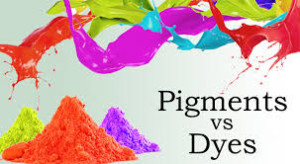
The colorful world as is seen to us today is in a large measure a result of the use of colorants in every sphere of our lives. Colorants are responsible for imparting colour to a substrate like paper, paint, plastic, textiles and so on. The two important colorant sources are the dyes and pigments. However, there lies some difference in the features, manner of use, benefits and the sore points of each of them though quite often the terms, pigment, dye, colorant, dyestuff, paint, colour are incorrectly used interchangeably.

Continue reading Dyes & Pigments: Totally Dissimilar Colorants

Role of Food Colours & Vat Dyes in Commercial Applications

images

Colorants have become an integral part of everyday life and we cannot do without them for fulfilling even the basic necessities of our lives. Food, clothing and shelter which form the three pillars of basic life requirements have an element of colour in some form or the other in them.

Continue reading Role of Food Colours & Vat Dyes in Commercial Applications

Role of Solvents in Herbal Extracts & Industrial Paints Applications

images (1)

Solvents play an important role in pigments and herbal extracts. The performance attributes of paints are multiplied manifold with the use of solvents and for herbal extracts solvents act as the medium through which the herbal properties are extracted from the plant material.

Continue reading Role of Solvents in Herbal Extracts & Industrial Paints Applications

Quality and Economical Colouring Solutions

depositphotos_51072951-stock-photo-colorful-soda-and-soft-drinks

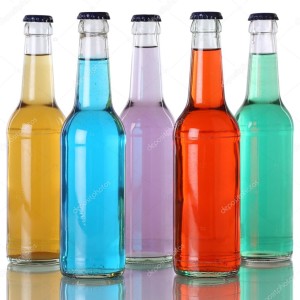
Can we imagine the world without the bright hues of various colours? Colours make the world more attractive, fresh and aesthetic. Colours improve the appearance of not only the clothes, homes, offices, and food but also cars, toys, beauty products, waxes, paints, etc. A correct shade of colour as per the area of application can be a positive selling point for a product making it easily marketable.

Continue reading Quality and Economical Colouring Solutions

Fabric, Fragrances n Flavours

images

Fashion is not only about designing costumes but also extends to fragrances and flavours. A garment with an aesthetic appeal can only be designed if there is a perfect combination of fabric with colour. The reactive dyes manufacturers, vat dyes manufacturers and those of acid dyes ensure a high quality product which gives strength, light fastness, washing fastness and rubbing fastness to the dye. Whereas the herbal extracts manufacturers extract products from natural sources which are used in fragrances and flavours. Their end use is in industries like cosmetics, food, perfumeries, Pharmaceuticals, etc.

Continue reading Fabric, Fragrances n Flavours

Use of Anti-Corrosive, Eco-friendly Pigments in Paint Industry

Pigments for Paint

Do you know what lies behind the beauty and long life of all the decorative objects around us? Vibrant and long lasting hues are engineered. It is the use of inorganic and organic pigments for paints and coatings that have helped to display articles in their best light and endure the harshest demands.

Continue reading Use of Anti-Corrosive, Eco-friendly Pigments in Paint Industry

Using Water-Less Technologies in Dyeing Process

reactive dyes manufacturers

Water is a scarce resource and should be used with minimum wastage both in household and industrial applications. Today, along with reducing the carbon imprint it has become utmost essential to sort out the water management problem. Scarcity of water and water pollution can derail your production process or the supply chain, lead to fights with other water users or damage corporate reputations.

Problems of large water consumption are closely related to the textile industry which has become a global industry in today’s times. Textiles adorn every single item of your daily life right from high fashion apparels and furnishings to the filters in your washing machines and vacuum cleaners. However, the same textiles leave maximum water footprints on Mother Earth and pose a big problem to the delicate ecological balance.

Polyester and cotton, two largest mass marketed textiles require large amounts of water in their dyeing process. Dye houses in the country not only consume huge quantities of water for the purpose and but also discharge large amounts of harmful effluents into rivers or the local streams. Using water friendly technologies or having efficient water management systems in place is one of the biggest challenges faced by the textile industry. It is essential for the industry to undertake major steps to mitigate the environmental harm that is being caused by the dyeing process which uses various dyes such as acid dyes manufacturers, reactive dyes manufacturers, vat dyes manufacturers, basic dyes etc.

Some steps in this regard have been undertaken by several manufacturers. One way is to reduce the dye-to-water ratio, however, the answer to this lies in the mechanisation of the factory’s manufacturing processes. Moreover, the natural fibres pose much of a problem for adopting waterless dyeing methods. Polyester can be coloured in airless environment where dyes are dispersed throughout the material under pressurized high heat. Wool and cotton however, undergo damage if they are passed through this environment.

Inspite of this, several companies have undertaken efforts in reducing water consumption to a great extent in dyeing natural fibres. One effort taken in this regard was changing the molecular structure of cotton such that it permitted the dispersion of dyes throughout the fabric using very less amounts of water. Energy as well as water consumption are said to have been drastically reduced with this technology.

Another technique used is to embed textile dyes within the fabric, all the while using air for the dye dispersion process. Yet another method that has found acceptance in the industry is use of pressurized and compressed carbon dioxide to disperse dye within the fabric. The carbon dioxide which is held in chambers of stainless steel assumes liquid-like properties. After the dyeing process is complete the carbon dioxide takes on its gaseous form and separates from the dye within the fibres. The dye within the fibres condenses and the carbon dioxide is recycled and used again for the dyeing process. However, this is simply said than done as the investment required for the technology is still huge.

Nevertheless, many large companies are aggressively finding ways and means to reduce or eliminate water consumption in their dyeing process and the day when all manufacturers use water-less or near-water-less technologies for dyeing will not be far off.